
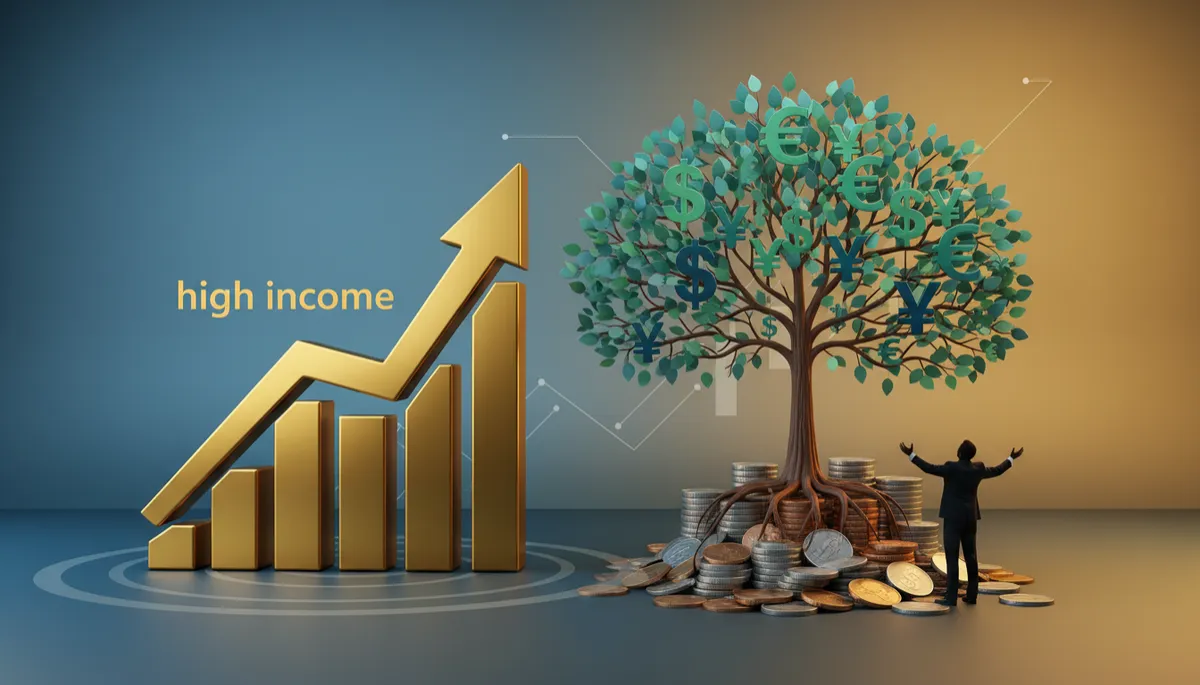
Transform High Income into Lasting Wealth
Wealth Building, High Income to Wealth
From High Income to Lasting Wealth: How to Step Off the Financial Treadmill
Earning a great income feels like winning the money game—until you realize you’re still stressed about bills, behind on investing, and unsure what it will take to finally feel secure. At Big Life Financial, we see this every day: smart, hard‑working people with impressive paychecks who are still stuck on a financial treadmill. This guide will show you why high income does not automatically create wealth, how to break out of that cycle, and the practical steps to transition from simply earning money to building lasting wealth.
High Income vs. True Wealth: Why They’re Not the Same
It’s easy to assume that once you cross a certain income threshold—$150,000, $250,000, $500,000+ per year—you’ll naturally become wealthy. Yet many high earners quietly admit they’re one or two missed paychecks away from serious trouble. Understanding the difference between high income and wealth is the first step in going from high income to wealth in a sustainable way.
Income is a Flow, Wealth is a Storehouse
Your income is the money that flows into your life every month—salary, bonuses, business revenue, commissions. Wealth is what remains and grows after your lifestyle, taxes, and obligations are paid. It shows up as:
Investment accounts that compound over time
Equity in businesses and real estate
Cash reserves and low‑risk assets that create stability
You can earn a lot and still have very little if nearly every dollar is spoken for. That’s why “high income to wealth” is not an automatic path—it’s a deliberate shift in how you use the money you earn.
The Lifestyle Creep Trap
One of the biggest reasons high income does not automatically create wealth is lifestyle creep. Each raise or business win quietly upgrades your life:
Nicer car, higher rent or bigger mortgage
More frequent travel, dining out, or convenience spending
Subscriptions, memberships, and “small” recurring charges that add up
If every income increase becomes a lifestyle increase, your wealth gap—the space between what you earn and what you keep—never widens. The result is a sophisticated version of living paycheck to paycheck, even if those paychecks are large.
Taxes and Debt Quietly Eat High Income
Another reason high income to wealth is not automatic is the impact of taxes and debt. The more you earn, the more complicated—and often higher—your tax bill becomes. Without a proactive tax strategy, a huge portion of your income disappears before you even see it. Add to that:
Student loans or professional school debt
High mortgage payments in expensive markets
Business loans and lines of credit for entrepreneurs
Without a plan, you can work incredibly hard while your income slips away to interest and the IRS. That’s why business owner wealth building and professional wealth building both require more than just working longer or harder.
💡 Pro Tip: Track how much of your last raise or revenue jump is actually building assets versus funding lifestyle. The answer is often eye‑opening—and it’s the first step to change.
The Financial Treadmill: When Earning More Still Isn’t Enough
Many high earners describe the same feeling: “I make too much money to be this stressed.” That’s the essence of the financial treadmill—running fast, working hard, but feeling like you’re not actually getting ahead. Breaking out of the financial treadmill starts with recognizing its signs.
Signs You’re Stuck on the Financial Treadmill
Your income has grown, but your savings rate hasn’t changed much—or at all.
You feel pressure to maintain a certain lifestyle for family, peers, or clients.
You’re “asset rich, cash poor”—on paper things look good, but liquidity is tight.
You worry about what would happen if a big client left, a bonus disappeared, or you needed to take time off.
If this sounds familiar, you’re not alone. At Big Life Financial, we work with many professionals and business owners who are outwardly successful but inwardly exhausted by money stress. The good news is that breaking out of the financial treadmill is absolutely possible with a shift in strategy.

A clear, written plan is often the missing link between income and wealth.
Why Working Harder Isn’t the Answer
When you’re on the financial treadmill, the default response is to run faster: work more hours, take on more clients, push for a bigger bonus. But if your underlying system for managing money doesn’t change, more income simply means a faster, more exhausting treadmill—not more freedom. Real change comes from redesigning the system, not increasing the speed.
📌 Key Takeaway: Freedom doesn’t come from earning more; it comes from how effectively you convert income into assets that pay you back.
Step One: Clarify What “Lasting Wealth” Means for You
Before you can build lasting wealth, you need to define it. For some, it’s a specific net worth number. For others, it’s the ability to work by choice, not necessity, or to fund children’s education and a comfortable retirement without anxiety. A clear definition turns “I should save more” into a specific, motivating target.
How much monthly income would make work optional for you?
What age or timeframe would you like to reach that point by?
What impact do you want your money to have on family, causes, or your community?
At Big Life Financial, we call this your Big Life Vision. It’s the anchor for every decision in your high income to wealth journey.
Step Two: Build a Wealth System, Not Just a Budget
Traditional budgeting often feels restrictive, especially for high earners and business owners. Instead, think in terms of a wealth system—a set of automatic flows that move money from income to assets with minimal friction. This is where you start transitioning from earning money to building lasting wealth, practically and consistently.
The Core Components of a Wealth System
Pay Yourself First: Decide on a fixed percentage of every paycheck or owner draw that goes directly into wealth‑building accounts—before lifestyle spending. Automate it so it happens whether or not you think about it.
Separate Accounts with Clear Jobs: Use dedicated accounts for taxes, investments, reserves, and spending. When money has a job, it’s less likely to get “accidentally” spent.
Automatic Investing: Set up recurring contributions to diversified investments—retirement accounts, brokerage accounts, or other vehicles that match your risk profile and goals.
When your system is dialed in, you can enjoy your income knowing that “future you” is already being taken care of. This is the foundation of any solid plan to build lasting wealth.
Step Three: Shift from Labor Income to Asset Income
The key transition from earning money to building lasting wealth is moving from labor‑based income (you work, you get paid) to asset‑based income (your money and assets work, and you get paid). This doesn’t mean quitting your career tomorrow—it means steadily building streams of income that don’t depend on your daily effort.
Common Asset Income Paths for High Earners and Business Owners
Investment Portfolios: Stocks, bonds, and funds that produce dividends and growth over time.
Real Estate: Rental properties or real estate funds that generate rental income and potential appreciation.
Business Equity: Owning a business that can operate without you in the day‑to‑day, or investing in other businesses.
For many clients of Big Life Financial, especially entrepreneurs, business owner wealth building is the most powerful lever. The goal is to transform the business from a demanding job into a true asset that can be scaled, systematized, or eventually sold.
Step Four: Use Your High Income as a Wealth Accelerator
High income is a powerful tool—if you harness it intentionally. Instead of letting it disappear into lifestyle creep, you can use it to dramatically speed up your wealth building timeline. Here’s how to turn “high income to wealth” into a practical plan:
Lock in a Wealth‑Building Percentage: Commit to directing a fixed percentage of all future income increases into assets. For example, 50–80% of every raise, bonus, or profit increase goes to investing or debt reduction, not lifestyle.
Attack Expensive Debt Strategically: Use part of your high income to eliminate high‑interest debt quickly, freeing up cash flow that can then be redirected into assets.
Optimize Taxes Proactively: Work with professionals to structure your income, investments, and business in tax‑efficient ways. Every dollar saved in taxes is a dollar that can be used to build lasting wealth.
💡 Pro Tip: Treat your lifestyle as “version 1.0” for a few years while your wealth system compounds quietly in the background. Future upgrades will feel far better when they’re funded by asset income, not just more hours worked.
Step Five: Protect What You’re Building
Building wealth is only half the journey; protecting it is just as important. A single unexpected event—a lawsuit, medical issue, business disruption, or market shock—can derail even the best plan if you’re not prepared. Part of transitioning from earning money to building lasting wealth is thinking like a steward, not just an earner.
Maintain an emergency fund to avoid tapping investments or taking on high‑interest debt during surprises.
Review insurance coverage (disability, liability, life, key‑person for business owners) so a crisis doesn’t become a financial catastrophe.
Create or update basic estate planning documents so your wealth serves the people and causes you care about, even if you’re not here to direct it.
Step Six: Make It a Habit, Not a Phase
Lasting wealth is the result of consistent, aligned behavior over time—not one big decision. The most successful high income to wealth stories we see at Big Life Financial are surprisingly unflashy. They come from people who:
Review their numbers monthly or quarterly, not obsessively, but intentionally
Stay the course through market ups and downs instead of chasing the latest hot investment
Revisit their goals as life changes—career moves, children, aging parents, or new dreams
Over time, these habits compound just like your investments. What starts as a decision to step off the financial treadmill becomes a new normal where your money quietly works in the background while you focus on living your life.
Bringing It All Together: Your Path from High Income to Lasting Wealth
High income is a tremendous advantage—but only if you turn it into something durable. To recap, moving from high income to wealth and truly breaking out of the financial treadmill means:
Recognizing that income alone doesn’t equal security or freedom
Designing a wealth system that automatically converts income into assets
Shifting your focus from working for money to building assets that work for you
Protecting what you’re building so it lasts for you and the people you love
Whether you’re a professional with a strong salary or an entrepreneur focused on business owner wealth building, your next level isn’t about squeezing even more hours into your week. It’s about making sure every extra dollar you earn has a job in your wealth plan.
Your Next Step with Big Life Financial
You don’t have to figure all of this out alone. At Big Life Financial, we specialize in helping high earners and business owners move from financial treadmill living to intentional, aligned wealth building. We focus on practical strategies that fit your real life—not rigid rules or one‑size‑fits‑all plans.
If you’re ready to turn your high income into a powerful engine for freedom, impact, and peace of mind, consider this your invitation to take the next step. Clarify your vision, build your system, and let your money start working as hard for you as you’ve been working for it.
If you’ve been nodding along, questioning a few things, or simply seeing the subject from a new angle, there’s more to hear. Spend a few minutes with the video and let the conversation take the ideas a little further.
