
Developing High-Performing Employees Effectively
Leadership, Employee Development, Performance Improvement
Developing High-Performing Employees: Systems, Support, and a True Growth Environment
High-performing employees are rarely an accident. They’re the result of intentional systems for talent development, consistent support, and a workplace that makes growth the norm rather than the exception. At Big Life Financial, we see every day how a thoughtful growth environment can transform both people and business performance.
From Ad Hoc Effort to Intentional Systems for Talent Development
Many companies say they care about employee development, but rely on one-off workshops, occasional coaching, or last-minute training when someone is promoted. This ad hoc approach leads to uneven skills, inconsistent results, and frustrated team members who feel overlooked. High-performing organizations do something different: they design clear, repeatable systems for talent development that support every stage of an employee’s journey, from onboarding to career advancement.
1. Map the Skills That Drive Performance Improvement
Start by defining what “high performance” actually looks like in each role. Instead of vague traits like “hardworking” or “team player,” identify the specific technical, behavioral, and financial skills that move the needle for your business. For a financial consultant at Big Life Financial, that might include client communication, analytical thinking, ethical judgment, and the ability to translate complex numbers into clear decisions for clients. When these expectations are documented, it becomes much easier to design a development roadmap and measure performance improvement over time.
2. Build Structured Learning Paths, Not Random Training
Once you know the core skills, create structured learning paths that guide employees from foundational knowledge to advanced mastery. A strong system for talent development might include:
Onboarding modules that introduce core tools, processes, and expectations
Role-specific training tracks with clear milestones and skill checks
Mentorship or peer-learning programs that connect newer talent with experienced high performers
Regular workshops or lunch-and-learns tied to real business challenges, not just theory
The goal is to make learning feel like a continuous journey, not a box to tick once a year. When employees can see where they are on a path and what comes next, they’re more likely to stay engaged and pursue career advancement proactively.
3. Integrate Development into Everyday Workflows
The most effective development systems don’t live in a separate HR portal; they’re woven into daily work. Think of regular feedback loops, project debriefs, and short coaching conversations as part of your operating system. For example, after a client presentation, a manager at Big Life Financial might take ten minutes to review what went well, where numbers could have been clearer, and how to sharpen the message next time. These micro-moments compound into meaningful performance improvement without feeling heavy or formal.
💡 Pro Tip: Treat development like a recurring meeting, not an annual event. Short, consistent check-ins beat long, infrequent reviews every time.
Helping Employees Reach Their Full Potential, Not Just Hit Targets
Targets matter. Revenue, client satisfaction, and productivity all keep the business healthy. But if you focus only on the numbers, you’ll miss the deeper opportunity: helping people become the best version of themselves at work. When employees feel genuinely supported in reaching their full potential, they bring more initiative, creativity, and ownership to everything they do. That’s where true high performance lives.
4. Connect Personal Goals to Career Advancement Paths
One of the most powerful things a leader can do is ask, “Where do you want to be in one, three, or five years?” and then take that answer seriously. Some employees may want to lead teams; others might prefer to deepen their expertise as specialists. At Big Life Financial, we encourage managers to document these aspirations and align them with clear career advancement options—whether that’s a leadership track, a senior advisory role, or a cross-functional move into operations or strategy.
When employees see that their personal goals are recognized and supported, they’re more likely to invest in the skills and behaviors that turn potential into performance. Development stops feeling like something “the company wants” and becomes something they genuinely own.
5. Use Coaching Conversations, Not Just Evaluations
Annual performance reviews are often backward-looking and stressful. To help people reach their full potential, shift more energy into forward-looking coaching. A strong coaching conversation might explore questions like:
What strengths did you lean on this quarter, and how can we use them even more?
Where did you feel stretched, and what support would make that stretch sustainable?
Which projects would accelerate your employee development over the next six months?
This style of conversation turns managers into partners in growth, not just scorekeepers. Employees walk away with clarity, encouragement, and concrete next steps that support both their performance and their long-term potential.
6. Provide Stretch Opportunities with Safety Nets
Growth often happens just outside someone’s comfort zone—leading a client meeting for the first time, presenting to senior leadership, or taking ownership of a complex project. High-performing cultures intentionally offer these stretch opportunities, but they pair them with support: clear expectations, access to a mentor, and room to learn from mistakes. In a healthy growth environment, people know they’re allowed to try, learn, and improve without fear of being punished for every misstep.
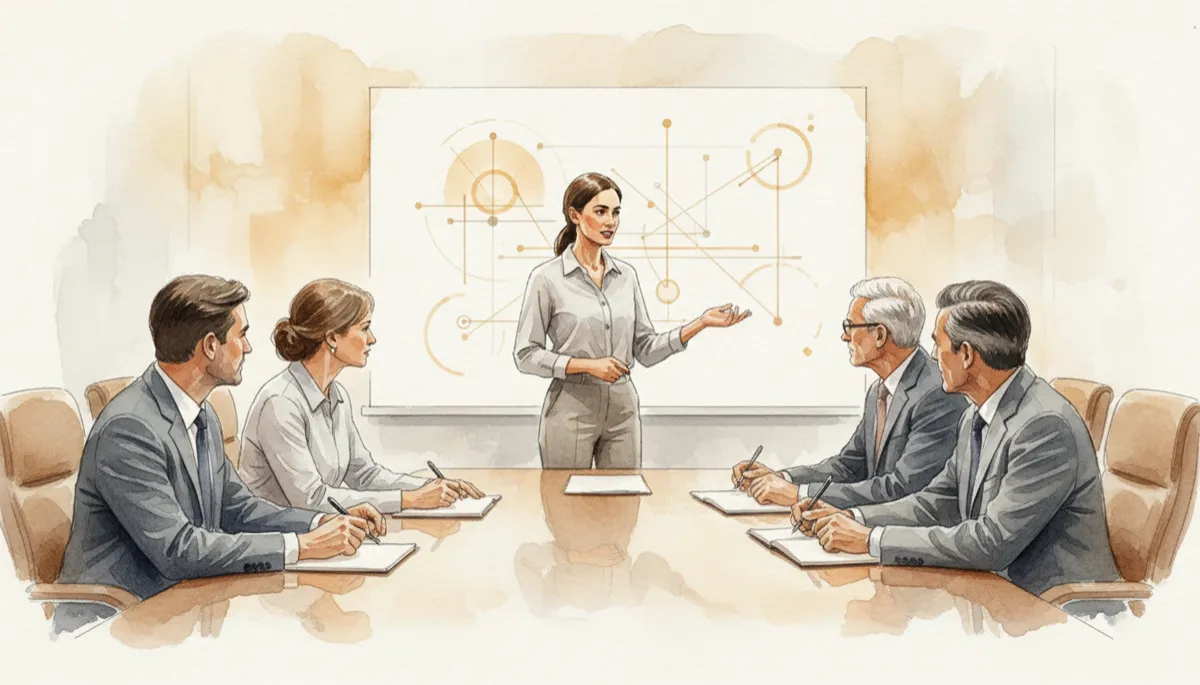
Stretch assignments, paired with coaching, accelerate growth and reveal future leaders.
Building a True Growth Environment Where High Performance Thrives
Systems and coaching matter, but they sit inside something bigger: the culture of your organization. A genuine growth environment is one where learning is visible, feedback is normal, and improvement is celebrated. It’s not about constant pressure or hustle; it’s about creating conditions where people can do their best work and keep getting better over time.
7. Normalize Feedback and Learning in All Directions
In many workplaces, feedback flows only one way—from manager to employee—and usually only when something is wrong. In a growth-focused culture, feedback is frequent, specific, and multi-directional. Leaders at Big Life Financial, for example, invite feedback on their own communication, decision-making, and support. When team members see that everyone is open to learning, they feel safer sharing ideas, asking questions, and taking ownership of their own performance improvement.
8. Recognize Progress, Not Just Outcomes
High performers are often driven by results, but if you only celebrate final wins, you unintentionally discourage risk-taking and experimentation. Make it a habit to recognize the behaviors that lead to success: thoughtful preparation, collaboration, learning from client feedback, or improving a process. This sends a clear message that growth itself is valued, not just perfect outcomes. Over time, this mindset fuels both stronger employee development and more sustainable career advancement.
9. Align Development with Business Strategy and Financial Health
A growth environment is not just “nice to have”—it’s a strategic asset. When your systems for talent development are aligned with your financial goals, every investment in training, coaching, or mentoring has a clear return. For a financial consulting firm like Big Life Financial, that might mean focusing development on advisory skills that deepen client relationships, or on analytical capabilities that uncover new opportunities for clients. The result is a virtuous cycle: stronger people, better service quality, and healthier long-term performance for the business.
📌 Key Takeaway: When development is tied to strategy, growth becomes a shared win for employees, clients, and the organization.
Bringing It All Together: A Practical Starting Point
Developing high-performing employees doesn’t require a complete overhaul overnight. It starts with a few intentional moves:
Clarify what great performance looks like in key roles, and document the skills that drive it.
Create simple, visible learning paths that support employee development at every level.
Shift one conversation each week from evaluation to coaching, focused on helping someone reach their full potential.
Look for one process, meeting, or ritual you can redesign to better support a true growth environment.
Over time, these small steps compound. You’ll see stronger performance improvement, more engaged team members, and a clearer path for career advancement across your organization. Most importantly, you’ll create a place where people can bring their full energy, talent, and ambition to the work that matters—both for your clients and for their own futures.
If you’re ready to align your people strategy with your financial goals, partners like Big Life Financial can help you design systems that support both. When you invest in your people with intention, you’re not just building high-performing employees—you’re building a high-performing company.
Sometimes, the best part is hearing how an idea comes together. Give the video a watch for a more conversational look at the subject and a few extra insights you can take with you.
