
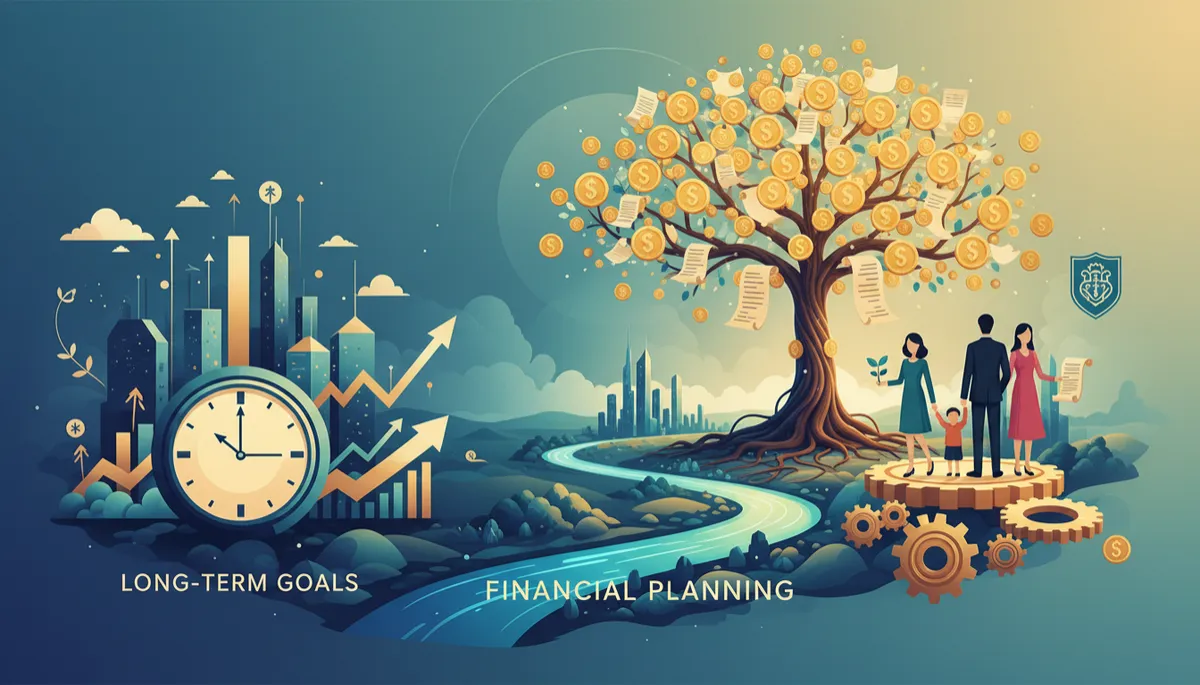
Building Wealth for a Lasting Legacy
Money Mindset, Financial Legacy, Generational Wealth
Creating a Legacy Through Wealth: How to Build More Than a Bank Balance
Wealth can buy comfort, options, and security—but its greatest power lies in the legacy it creates. When you align your money with your values, your Financial Legacy can support loved ones, open doors for future generations, and positively shape your community long after you are gone. At Big Life Financial, we believe money is simply a tool to help you live—and leave—a bigger life with intention.
Why Thinking in Terms of Legacy Changes Everything
Many people approach money in short bursts—saving for a vacation, paying off a credit card, or reacting to the next big expense. Legacy thinking is different. It stretches your time horizon beyond the next few years and invites you to ask deeper questions:
What do I want my money to make possible for my family and community?
How can my Generational Wealth support opportunities I did not have myself?
What do I want people to remember about how I used my resources?
When you start with these questions, Financial Planning stops being a chore and becomes a way to express your values in the real world. From there, you can define clear Long-term Goals, build wealth with purpose, and create a roadmap for future generations to follow.
Step 1: Defining Long-Term Financial Goals That Reflect Your Values
Long-term goals are the backbone of any strong Financial Legacy. Instead of starting with numbers, begin with your life vision. Ask yourself:
How do I want my lifestyle to look in 10, 20, or 30 years?
Who do I want to support—children, grandchildren, aging parents, causes I care about?
What kind of impact do I want to have beyond my own lifetime?
Once you have a vision, you can translate it into specific Long-term Goals. For example:
Funding four years of college for each grandchild without loans
Reaching financial independence by age 60 with enough income to travel and give generously
Leaving a paid-off home and a well-structured investment portfolio to the next generation
💡 Pro Tip: Write your long-term goals in plain language first, then assign numbers and timelines. It keeps your Financial Planning grounded in what truly matters to you.
At Big Life Financial, we often describe this as building a “values-based roadmap.” The numbers matter—but they are always in service of the life and legacy you want to create.
Step 2: Building Wealth With Purpose, Not Just Accumulation
There is a difference between simply having money and having money that is working in alignment with your goals. Purposeful wealth building means every dollar has a job—whether that is growth, protection, giving, or enjoyment. It also means understanding why you are pursuing Generational Wealth in the first place.
Clarify Your “Why” for Wealth
Your “why” might be giving your kids a financial head start, breaking a cycle of scarcity, or having the freedom to support causes you care about. When you are clear on this, it becomes much easier to:
Stay consistent with saving and investing, even when life gets busy
Say no to lifestyle creep that does not support your bigger vision
Choose strategies that balance growth, risk, and flexibility
Align Your Strategy With Your Purpose
Purposeful wealth building usually blends several elements:
Smart cash flow management: A spending plan that covers needs, funds goals, and still allows for enjoyment today
Long-term investing: Using tax-advantaged accounts and diversified portfolios to grow assets over decades, not months
Risk management: Insurance, emergency funds, and protections that keep your Financial Legacy intact when life throws surprises
Impact giving: Charitable strategies—like donor-advised funds or planned gifts—that reflect your values

A clear, written strategy turns abstract goals into concrete financial decisions you can follow.
With a thoughtful plan, your wealth does more than accumulate—it moves in the direction of your bigger vision. Big Life Financial often helps clients map each account and investment to a specific goal, so they can literally see how their Financial Planning supports their legacy.
Step 3: Planning for Future Generations With Intention and Clarity
True Generational Wealth is about more than passing down assets. It is about passing down knowledge, values, and a framework that helps your heirs steward those assets wisely. Without a plan, even large inheritances can disappear within a generation or two. With a plan, your resources can support stability, opportunity, and generosity for decades.
Put the Right Structures in Place
A strong legacy plan often includes:
Up-to-date wills and beneficiary designations that reflect your wishes
Trusts or other legal tools to manage how and when assets are distributed
Education funds or specific accounts earmarked for milestones like homeownership or entrepreneurship
These structures protect your Financial Legacy and reduce confusion or conflict among loved ones. A financial consultant, like the team at Big Life Financial, can work alongside legal and tax professionals to help you coordinate these pieces into one cohesive plan.
Communicate Your Legacy Clearly
One of the most overlooked parts of Financial Planning for future generations is communication. Documents alone cannot convey your heart. Consider:
Holding family meetings to share your goals and explain the structures you have put in place
Writing a “legacy letter” that outlines your values, your story, and your hopes for how the wealth will be used
Teaching younger family members basic money skills early, so they are ready to manage what they receive
📌 Key Takeaway: The most powerful Financial Legacy combines assets with education and communication, so each generation is equipped to carry the vision forward.
Bringing It All Together: Your Next Steps Toward a Big Life Legacy
Creating a legacy through wealth is not about perfection or having everything figured out overnight. It is about taking clear, intentional steps:
Define your Long-term Goals in language that reflects your deepest values and priorities.
Build wealth with purpose—assign every dollar a role that supports your vision, from growth to giving.
Plan intentionally for future generations with structures, education, and honest conversations.
When you approach money this way, your accounts and investments become more than numbers on a screen. They become tools for building a story that continues long after you are gone—a story of opportunity, generosity, and stability for the people and causes you care about most.
If you are ready to turn your resources into a lasting Financial Legacy, consider partnering with a guide who can help you see the big picture and navigate the details. At Big Life Financial, we work with clients to design personalized plans that align their money with their mission—so their wealth keeps working for them, and for future generations, for years to come.
Found something interesting here? Keep exploring with the video. It offers a closer look at the conversation and gives you more to consider beyond the key points covered in this article.
