

Choose Advisors with Proven Results
Finance, Advisor Selection, Evidence-based Choices
Choosing Advisors Based on Proven Results: How to Make Evidence‑Based Choices with Confidence
When your money, business, or future is on the line, guessing is not a strategy. Choosing the right financial advisor should be an evidence‑based choice, guided by real outcomes, not just polished promises. At Big Life Financial, we encourage clients to look beyond the sales pitch and focus on Advisor Selection grounded in case studies, testimonials, and verifiable results.
Why Proven Results Matter More Than Promises
Many people choose advisors based on personality, referrals from friends, or the size of a firm’s logo on a building. Those things might feel reassuring, but they don’t necessarily tell you whether that advisor can help you achieve your goals. Evidence‑based Advisor Selection starts with a simple question: “Can you show me real examples of how you’ve helped people like me?”
Proven results give you something solid to evaluate:
How consistently the advisor has helped clients reach financial milestones
Whether they specialize in situations similar to your own (business owners, families, near‑retirees, etc.)
How they measure success and manage risk over time
In other words, proven results turn Advisor Selection into a rational, evidence‑based choice instead of a leap of faith. This is where case studies, testimonials, and client success stories become powerful decision tools—if you know how to evaluate them properly.
Evaluating Case Studies and Testimonials: Reading Between the Lines
Most advisors showcase glowing feedback on their websites. But not all case studies and testimonials are created equal. To make truly evidence‑based choices, you need to look for depth, clarity, and credibility—not just kind words and star ratings.
What a Strong Case Study Should Include
A meaningful case study tells a complete story, not just the happy ending. When Big Life Financial prepares case studies, we focus on three essential parts, and you should look for these when evaluating any advisor:
The starting point: Clear description of the client’s situation—income, goals, challenges, and concerns. You should be able to tell whether this client is similar to you.
The strategy: What specific steps did the advisor take? Did they create a tax plan, restructure debt, adjust investments, or redesign cash flow? Vague statements like “we helped them feel more confident” are not enough by themselves.
The outcome: Concrete, measurable results—reduced taxes, increased savings rate, improved retirement readiness, or a more resilient financial plan. Timeframes matter too. Did it take three months, three years, or more?
When a case study includes these elements, it becomes a powerful tool for Advisor Selection. You can compare different advisors by the quality of their thinking, not just the quality of their branding.
How to Assess Testimonials Without Being Swayed by Hype
Testimonials can be powerful, but they can also be misleading if you don’t know what to look for. When reviewing testimonials as part of your evidence‑based choices, pay attention to:
Specificity: “They’re great!” is nice, but “They helped us increase our savings rate from 8% to 18% in 18 months” is far more useful as evidence.
Relevance: Do the clients in the testimonials resemble you in age, profession, stage of life, or financial complexity?
Balance: Authentic testimonials often mention both challenges and wins. If every quote sounds like a commercial, dig deeper and ask more questions.
💡 Pro Tip: When you meet a potential advisor, ask, “Can you share a case study or testimonial from someone in a similar situation to mine?” Their answer will quickly reveal how client‑focused and transparent they really are.
Learning from Client Success Stories: Patterns That Predict Your Experience
Client success stories are more than feel‑good marketing pieces. When you look at them through an analytical lens, they become a roadmap for what you can reasonably expect from working with an advisor. At Big Life Financial, we encourage prospective clients to look for patterns across multiple stories, not just one standout example.
Spotting Consistent Themes in Case Studies and Testimonials
As you review case studies and testimonials, ask yourself:
Do clients consistently mention better clarity and organization in their finances?
Are there repeated references to reduced taxes, improved cash flow, or faster debt payoff?
Do people talk about feeling listened to and understood, not just “managed”?
These repeating themes are clues about what the advisor is truly good at. For example, if most success stories highlight tax efficiency and long‑term planning, that advisor is likely strong in those areas. If the stories focus heavily on investment returns but rarely mention planning, you may be looking at a more narrow, investment‑only relationship.
Matching Success Stories to Your Own Goals
To use client success stories effectively in Advisor Selection, you need to connect them to your own priorities. Consider these examples:
If you are a small business owner, look for stories about business owners who improved their cash flow, optimized taxes, or created a smoother path from business income to personal wealth.
If you are approaching retirement, seek out examples of clients who transitioned from accumulation to income—how did the advisor help them create predictable, sustainable retirement cash flow?
If you’re just getting started, focus on stories where clients built strong financial habits, emergency savings, and long‑term investment plans from a modest starting point.
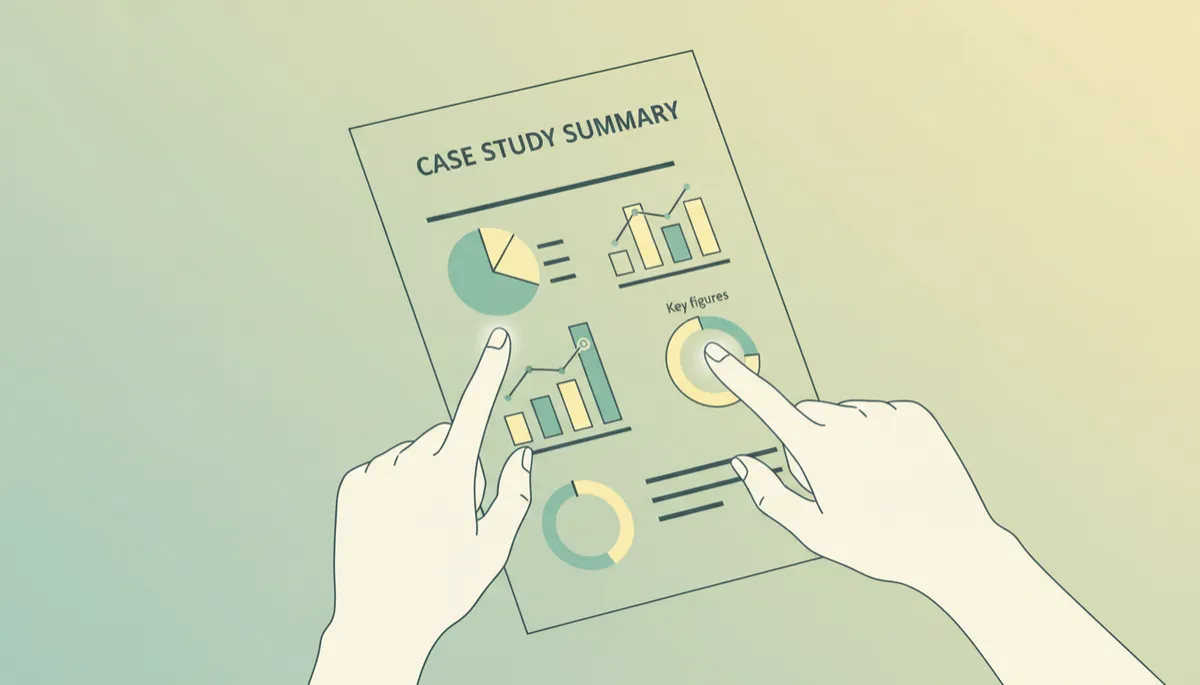
Well-documented case studies reveal how advisors think, plan, and deliver results over time.
When the success stories you read feel like they could be your story a few years from now, that’s a strong sign you’re on the right track with your evidence‑based choices. If they feel distant or irrelevant, keep looking.
Using Evidence to Guide Advisor Selection: A Simple, Practical Framework
Once you’ve gathered case studies, testimonials, and client success stories from a few potential advisors, the question becomes: How do you compare them in a structured way? Here’s a straightforward framework we often share with prospective clients at Big Life Financial to help them choose confidently—even if they ultimately choose someone else.
Step 1: Clarify What “Success” Means for You
Before you can judge an advisor’s track record, you need to define your own. Ask yourself:
What are my top three financial priorities for the next 3–5 years?
What worries me most about my current situation—taxes, debt, retirement, market volatility, something else?
How will I personally define a “successful” advisory relationship one year from now?
Write these answers down. They become your measuring stick for every case study and testimonial you read. Advisor Selection is much easier when you know exactly what you’re selecting for.
Step 2: Compare Advisors Using Consistent Questions
For each advisor you’re considering, review their case studies and testimonials and ask:
Do they show experience with clients like me? Similar income, family situation, profession, or business complexity?
Are the results measurable? Look for numbers—reduced taxes, increased savings, improved net worth, or clearer timelines to retirement or debt freedom.
Is there a clear process? Do the stories reveal a repeatable planning approach, or does everything sound one‑off and improvised?
Advisors who can clearly explain their process—and back it up with multiple client examples—make it easier for you to make evidence‑based choices instead of emotional ones.
Step 3: Ask for Fresh, Real‑World Examples
Websites often show carefully curated stories. During a consultation, don’t be afraid to ask for more recent or detailed examples. Some good questions include:
“Can you walk me through a recent client situation similar to mine and how you approached it?”
“What were the biggest challenges in that case, and how did you handle them?”
“What kind of measurable progress did that client see in the first 6–12 months?”
A confident, experienced advisor will welcome these questions. At Big Life Financial, we view them as signs that a client is serious about making smart, evidence‑based choices—the kind of clients we love working with.
Step 4: Balance Numbers with Fit and Communication
Evidence is essential, but it’s not the only factor. You also need an advisor who communicates clearly, respects your values, and makes you feel comfortable asking “basic” questions. As you review case studies and testimonials, notice not only the financial results but also how clients describe the relationship:
Do they mention feeling heard and supported during stressful times?
Do they talk about learning and understanding more about their money, not just handing it off?
Do they describe a long‑term partnership, or just a one‑time transaction?
📌 Key Takeaway: The best Advisor Selection decisions combine hard evidence—case studies, testimonials, measurable results—with soft factors like trust, communication style, and shared values.
Red Flags to Watch For When Evidence Is Missing or Weak
Just as strong case studies and testimonials can build confidence, the absence—or quality—of those materials can be a warning sign. As you evaluate advisors, be cautious if you notice:
Only generic praise: Testimonials that say “They’re amazing!” but never mention specific outcomes or scenarios.
No real‑world examples: An advisor who can’t or won’t describe how they’ve helped clients like you—even in anonymized form—may lack relevant experience.
Overemphasis on “beating the market”: Sustainable financial success is about planning, risk management, and behavior—not just chasing returns.
None of these automatically disqualify an advisor, but they should prompt deeper questions. Your money deserves more than vague reassurances; it deserves thoughtful, documented evidence‑based choices.
Turning Insight into Action: Your Next Steps with Evidence‑Based Advisor Selection
Choosing a financial advisor is one of the most important decisions you’ll make for your long‑term security. The good news is that you don’t have to rely on gut feelings alone. By evaluating case studies, reading testimonials critically, and learning from client success stories, you can turn Advisor Selection into a calm, structured, and confident process.
As you move forward, remember to:
Define what success looks like for you before you start interviewing advisors.
Ask every advisor for case studies and examples that match your situation as closely as possible.
Look for measurable outcomes and consistent themes across multiple client stories.
Balance hard evidence with the human side: trust, clarity, and communication.
At Big Life Financial, we believe your financial life should feel organized, intentional, and aligned with the future you want to build. That’s why we welcome questions, share real‑world examples, and encourage you to compare us with other advisors using the same evidence‑based choices framework you’ve just learned.
Whether you’re just starting to look for guidance or considering a change from your current advisor, you deserve clarity and confidence. Take the time to review case studies, listen closely to testimonials, and learn from the journeys of other clients. When you do, you’ll be far better equipped to choose an advisor who can not only talk about results—but consistently deliver them.
Take what resonates from this article and keep exploring from there. The video adds another voice to the conversation, bringing more context and perspective to the ideas we’ve touched on here.
