

Build a Sellable Business for Future Success
Exit Planning, Business Valuation, Sell A Business
How to Build a Business That’s Worth Selling (Even If You Never Plan To)
Whether you dream of a big exit or swear you’ll “never retire,” building a company that’s actually sellable is one of the smartest strategic moves a business owner can make. It gives you options, increases cash flow today, and protects everything you’ve worked for if life forces your hand tomorrow.
The Mindset Shift: Job vs. Asset
Most entrepreneurs accidentally build a job, not an asset. In a job-style business, revenue depends on you: your relationships, your hustle, your brain. If you step away, the machine slows or stops. In an asset-style business, the company produces cash flows that are transferable to someone else. That’s the heart of modern exit planning for any business owner: designing a company that can thrive without you at the center of everything.
Think of it this way: a job pays you only while you’re working. An asset can be sold, recapitalized, or partially exited. It can fund your next venture, your retirement, or your family’s future. The job vs. asset framework boils down to one question: Could a capable buyer step in, pay you fair value, and reasonably expect the results to continue? If not, you don’t yet own a true asset—you own a demanding job with overhead.
Transferability: The Single Most Important Metric
In a world where buyers have more data and options than ever, the core question behind every business valuation is simple: How transferable is this cash flow? Transferability is the key metric that separates businesses that command premium multiples from those that languish on the market—or never sell at all.
Transferability shows up in many ways:
Customers who stay because of the company, not just the founder.
Processes that live in documented systems, not in one person’s head.
A team that can execute, make decisions, and grow the business without constant owner intervention.
When transferability is high, Exit Planning becomes far easier. You can pursue multiple paths—selling 100%, bringing on a private equity partner, or executing a partial exit—because buyers have confidence that the business is bigger than any one person. When transferability is low, your options shrink fast, and even strong revenue can fail to translate into a meaningful sale price.
What Buyers Actually Value (And Pay For)
If you want to understand how to sell a business one day—at a number that makes it all worthwhile—you need to see your company through a buyer’s eyes. Across industries, sophisticated acquirers, private equity firms, and strategic buyers consistently prioritize a few key drivers of value.
1. Recurring and Predictable Revenue
Recurring revenue is the gold standard. Subscription fees, service contracts, maintenance agreements, and long-term retainers all signal stability and reduce risk. In current business valuation strategies, recurring revenue often justifies higher valuation multiples because it makes future cash flows easier to forecast and less dependent on constant selling effort.
Even if you’re not a SaaS company, you can design recurring components: service plans for equipment, membership tiers, managed services, or auto-renew agreements. Buyers know that a dollar of recurring revenue is typically worth more than a dollar of one-off project work.
2. Management Depth and Leadership Bench Strength
The more your business depends on you personally, the less valuable it is. Buyers look closely at management depth: Is there a real leadership team? Are there capable second-in-command leaders in operations, finance, and sales? Can the company keep running if the owner takes a three-month sabbatical—or disappears after closing?
Deals frequently fall apart in diligence when a buyer realizes that the owner is the rainmaker, the head of operations, and the unofficial CFO all in one. Conversely, companies with strong management teams not only sell more easily, they often attract multiple bidders and better terms.
3. Documented Systems and Data-Driven Operations
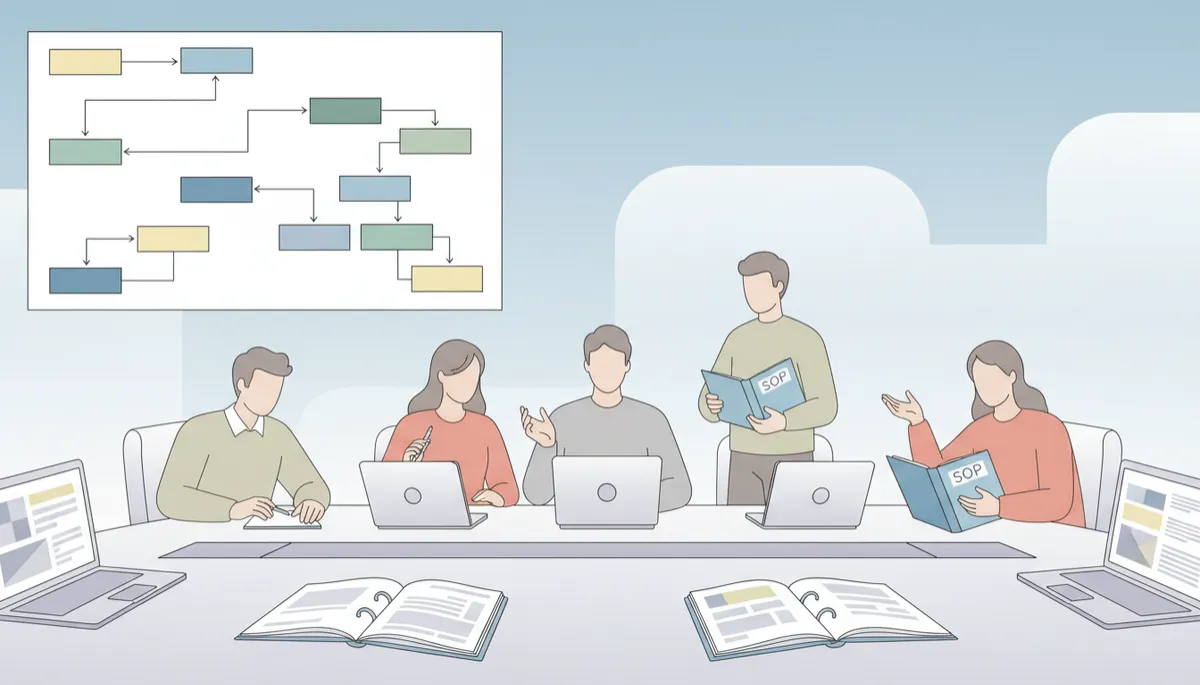
Documented systems are the backbone of transferability. Buyers want to see that your core processes—sales, onboarding, service delivery, billing, hiring—are written down, consistently followed, and supported by modern technology. In 2026, exit planning business owner strategies increasingly emphasize clean data, automation, and AI readiness as differentiators that drive higher valuations, according to recent EY and LinkedIn reports on exit readiness trends.
The Owner-Dependency Trap (And How to Escape It)
Owner-dependency is the silent killer of business value. It feels flattering—everyone wants to talk to you, you solve the biggest problems, you close the biggest deals. But from a buyer’s perspective, this is a red flag. If too much value walks out the door when you do, the risk goes up and the price comes down, sometimes dramatically.
Many owners fall into the owner-dependency trap because it works in the short term. It’s faster to do it yourself. Clients ask for you. You’re used to being the hero. But this pattern caps your growth and quietly erodes your ability to sell a business on your terms when the time comes—or when life forces an unexpected transition.
Strategies to Escape Owner-Dependency
Delegate decisions, not just tasks. Start by documenting the decision criteria you use, then empower key leaders to make those calls within defined guardrails. Measure outcomes, coach, and gradually expand their authority.
Make yourself progressively obsolete in operations. Aim to spend most of your time on strategy, culture, and key relationships, not daily firefighting. If the business can’t operate for 90 days without you, that’s your first exit planning milestone.
Institutionalize relationships. Introduce account managers and project leads as the main point of contact. Show customers that the company’s value lives in the team and the system, not just the founder’s personal touch.
Build a succession and incentive plan. Identify future leaders and align them with long-term outcomes—through bonuses, phantom equity, or equity itself—so they’re invested in the company’s success, with or without you.
💡 Pro Tip: A simple test for owner-dependency: Track how many emails, calls, and decisions must go through you each week. Your goal is to steadily make that number irrelevant to performance.
Business Valuation 101: How Buyers Put a Number on Your Company
When owners ask how to sell a business, what they usually mean is, “How do I get the number I want?” That starts with understanding how Business Valuation actually works in practice. While sophisticated buyers may use discounted cash flow models or AI-enhanced analytics, most private businesses are valued using a combination of normalized earnings and valuation multiples by industry.
Earnings First, Then the Multiple
For small and mid-sized companies, buyers often start with either SDE (Seller’s Discretionary Earnings) or EBITDA (Earnings Before Interest, Taxes, Depreciation, and Amortization). They “normalize” those earnings by removing one-time expenses, adjusting owner compensation to market levels, and cleaning up the financials. Recent Bizminer and Rubric Financial data emphasize the importance of this normalization step before applying any multiple.
Then they look at comparable deals and industry benchmarks to determine a reasonable multiple. That multiple is where transferability, recurring revenue, growth prospects, and risk all show up in a single number.
Key Factors That Influence Your Multiple
Growth rate: Faster-growing companies almost always command higher multiples, especially in tech-enabled and recurring revenue sectors.
Customer concentration: If one client represents 40% of revenue, expect a discount. Diversified customer bases reduce risk and boost value.
Quality of earnings: Clean books, consistent margins, and defensible cash flows are now central to business valuation strategies. Many buyers commission formal quality-of-earnings reports before closing.
Technology and AI readiness: Businesses with modern systems, data visibility, and an articulated AI strategy are attracting more interest and better valuations, according to 2026 exit readiness studies from EY and others.
Owner-dependency and leadership depth: As we’ve seen, heavy reliance on the owner depresses multiples; strong teams and succession plans increase them.
The Big Life Scale to Exit Approach
Building a business that’s worth selling is about more than spreadsheets. It should support the big life you actually want—before and after a transaction. That’s where a Scale to Exit approach comes in: intentionally designing your company so it can grow, become transferable, and ultimately give you choices about if, when, and how you exit.
Step 1: Clarify Your Big Life Vision
Start with the end in mind—but not just the sale price. What does your ideal life look like 5–10 years from now? How much freedom, impact, and security do you want? Current exit planning research shows that aligning business decisions with personal goals leads to better outcomes and fewer regrets. Your business should be the engine that funds that life, not a cage that keeps you from it.
Step 2: Engineer Transferable Value Drivers
With your life vision in place, you can reverse-engineer the company you need to own. That means intentionally building:
Recurring revenue models and long-term contracts wherever possible.
A leadership team with real authority and incentives tied to long-term value.
Documented systems, KPIs, and dashboards that make performance visible and repeatable.
Step 3: Make Exit Readiness a Continuous Discipline
The most successful owners treat exit readiness as an ongoing management discipline, not a fire drill two years before retirement. They clean up financials early, build advisory teams, and periodically refresh their business valuation to track progress. According to recent studies, owners who start 3–5 years ahead consistently achieve better valuations and more flexible deal structures, including partial exits and recapitalizations.
You Don’t Have to Sell—But You Do Need a Sellable Business
Here’s the paradox: the best way to ensure you never have to sell under pressure is to build a company you could sell at any time. That’s the ultimate insurance policy for a business owner. A transferable, well-valued asset gives you leverage with lenders, partners, and potential buyers. It gives you the freedom to stay because you want to, not because you have to.
Along the way, you’ll likely discover that the same moves that increase your valuation—recurring revenue, management depth, documented systems, reduced owner-dependency—also make your business easier to run and more profitable today. You’ll sleep better, your team will be stronger, and your company will be more resilient in a volatile market.
Ready to Start? Partner with Us on Your Exit
Whether you’re five years from a sale, exploring partial exit options, or simply committed to turning your job into a true asset, you don’t have to navigate this alone. A thoughtful combination of Exit Planning, modern business valuation strategies, and hands-on support can help you design a company that’s both enjoyable to own and highly attractive to buyers.
If you’re serious about building a business that’s worth selling—even if you never plan to—let’s talk about your goals, your numbers, and your options. Partner with us on your exit, and we’ll help you create a clear, practical roadmap from where you are today to a business that’s truly transferable, valuable, and aligned with the big life you want to live.
