

Automate Your Business Tax System Efficiently
Business Tax Systems, Financial Planning, Tax Automation, Tax Strategy
Building a Tax System That Works in the Background
How to create automated tax planning systems and financial processes that quietly protect your cash, reduce stress, and support long‑term wealth—without turning you into a full‑time accountant.
Why Your Tax System Should Feel Almost Invisible
As a business owner, you probably didn’t start your company so you could spend your evenings wrestling with spreadsheets, tax forms, and confusing rules. Yet for many entrepreneurs, taxes are a constant, low‑grade source of stress—something you only deal with when deadlines loom or your accountant sends a panicked email.
It doesn’t have to be that way. With the right tax planning system, your Business Tax Systems can run quietly in the background, much like a reliable operating system. You still stay informed and in control, but you’re no longer relying on last‑minute decisions or guesswork. Instead, you’re using tax automation and clear processes to:
Capture tax savings you’re legally entitled to, year after year
Avoid painful surprises when tax season arrives
Free up time and mental energy for growth, not paperwork
At Big Life Financial, we think of this as automated tax planning—a blend of smart strategy, simple routines, and technology that quietly supports your bigger goals: freedom, flexibility, and long‑term wealth.
Step 1: Shift from One‑Off Decisions to Repeatable Tax‑Planning Systems
Most business owners approach taxes as a series of isolated events: “It’s March—what can we do to lower last year’s bill?” The problem is that, by the time you’re asking that question, many of the best opportunities are already gone. Real Financial Planning for taxes happens throughout the year, not just at filing time.
What Is a Repeatable Tax‑Planning System?
A repeatable tax‑planning system is a set of routines, triggers, and checklists that you follow consistently, regardless of how busy the business gets. Instead of asking, “What should I do this year?” you’re following a proven playbook that fits your business model and goals.
Think of it like a standard operating procedure for your money. Your financial systems for business owners should spell out:
When you review profits, payroll, and distributions each month or quarter
How much to set aside for taxes based on real numbers, not guesses
Which deductions, credits, and strategies you check for on a regular basis
Designing Your Core Tax‑Planning Routine
A simple but powerful tax planning system might include:
Monthly financial review: You (and possibly your bookkeeper) review income, expenses, and profit. You confirm that everything is categorized correctly to support your Tax Strategy and identify any unusual items to flag for your advisor.
Quarterly tax check‑in: You compare year‑to‑date profit against your expectations, run projections, and adjust estimated tax payments. This is where automated tax planning tools can help you see, in real time, how your decisions affect your future bill.
Annual strategy session: Before year‑end, you meet with a tax‑savvy advisor to decide on bigger moves—retirement contributions, entity structure changes, timing of major purchases, or bonus payouts.
💡 Pro Tip: If your current approach is “send everything to the accountant in March,” you don’t need more discipline—you need better Business Tax Systems that make the right actions obvious and easy.
Step 2: Automate Financial Processes Wherever Possible
Once you’ve defined your routines, the next step is to take work off your plate through tax automation and smart Financial Planning tools. Automation doesn’t replace strategy—it protects it. It makes sure the decisions you’ve already made actually happen, even when you’re busy running the business.
Automating Cash Flow for Taxes and Profit
One of the most powerful forms of tax strategy automation is simply moving money to the right buckets automatically. Instead of waiting to see what’s left at the end of the quarter, you can set up transfers that happen every week or month:
A percentage of revenue flows into an operating account for bills and payroll
A percentage goes into a dedicated tax savings account (federal, state, and possibly local)
A percentage moves into a profit or owner wealth account—your reward for building the business
This kind of system turns an abstract Tax Strategy into a real‑world habit. When tax time comes, the money is already there. You’re not scrambling to come up with a five‑figure payment from thin air, because your financial systems for business owners have been quietly doing the heavy lifting in the background.
Using Tools to Streamline Bookkeeping and Reporting
Automation also shines in the day‑to‑day details that feed your tax planning system. Modern accounting software can:
Pull transactions automatically from your bank and credit cards
Apply rules to categorize recurring expenses into the right tax buckets
Generate real‑time profit and loss reports so you can see where you stand before making big decisions
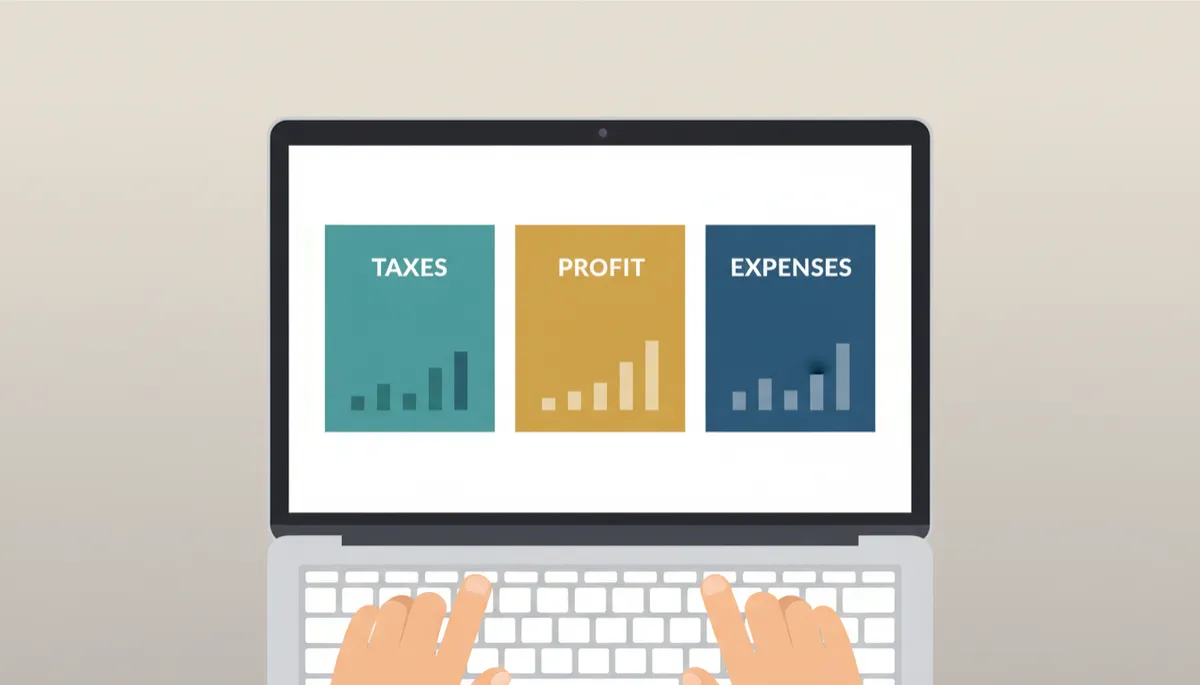
Clear dashboards turn complex tax data into simple, confident decisions.
When your books are accurate and up to date, your advisor can do far more with your Tax Strategy. Instead of cleaning up old records, they can focus on proactive automated tax planning—spotting opportunities for deductions, credits, and entity optimization before the year is over.
Where Human Strategy Still Matters
Not everything should be automated. Big decisions—like changing your business structure, hiring family members, or buying major equipment—deserve human judgment. A strong system combines:
Automation for routine, predictable tasks you want done the same way every time
Advisors for complex planning, scenario analysis, and aligning tax moves with your bigger life goals
💡 Pro Tip: Use software to gather and organize information, then use experts to interpret that information and design your Tax Strategy. That’s where Big Life Financial spends most of our time with clients.
Step 3: Let Tax Planning Support Wealth Accumulation Over Time
A tax bill is not just an expense—it’s a reflection of how your money is flowing through your life. When you view your Business Tax Systems through a Financial Planning lens, taxes become one more lever you can use to build wealth, not just a cost you endure each year.
Turning Tax Savings into Long‑Term Assets
Saving on taxes is only half the story. The real magic happens when you intentionally redirect those savings into assets that grow over time. This is where an integrated tax planning system and wealth plan can change your trajectory.
If your Tax Automation helps you save $15,000 this year, where does that money go?
Does it disappear into lifestyle creep—or does it flow into investments, retirement accounts, or strategic business growth?
With a clear plan, every tax‑efficient move has a “next step”:
Retirement contributions: Using tax‑advantaged accounts (like 401(k)s, SEP IRAs, or other structures appropriate to your situation) to reduce current taxes and build future income streams
Business reinvestment: Channeling tax‑efficient dollars into marketing, systems, or hires that increase your long‑term profit potential
Personal wealth accounts: Building liquid reserves and investment portfolios outside the business, so your entire future doesn’t rest on a single income source
Aligning Your Tax Strategy with Your “Big Life”
Tax rules are the same for everyone, but how you use them should be deeply personal. A well‑designed tax planning system should reflect questions like:
Do you want to retire early, or simply have the option not to work as hard?
Are you building your business to sell, or to keep as a cash‑flow engine for decades?
How important is legacy—supporting family, causes, or communities you care about?
At Big Life Financial, we use Financial Planning conversations to connect your Tax Strategy to these bigger questions. That way, your Business Tax Systems aren’t just about compliance—they’re about creating the freedom to live and work on your own terms.
Putting It All Together: A Tax System That Runs Quietly in the Background
When you combine repeatable systems, smart automation, and long‑term wealth planning, your tax life starts to feel very different. Instead of spikes of anxiety around deadlines, you experience calm, predictable rhythms. Instead of wondering what you “might be missing,” you know your tax planning system is scanning for opportunities all year long.
A Simple Framework You Can Start Using Now
Clarify your rhythms: Decide how often you’ll review numbers, meet with your advisor, and adjust your Tax Strategy. Put those dates on your calendar now, so tax planning becomes a normal part of running the business instead of a once‑a‑year fire drill.
Automate your flows: Set up recurring transfers to tax and profit accounts. Use bookkeeping tools to categorize expenses consistently. Let tax strategy automation handle the routine tasks you don’t need to touch manually.
Connect taxes to wealth: Decide in advance how you’ll use tax savings and profit distributions to build assets—inside and outside the business. Make this part of your broader Financial Planning, not an afterthought.
How Big Life Financial Fits into the Picture
You don’t have to build all of this alone. At Big Life Financial, we help business owners design and implement financial systems for business owners that include:
Clear Business Tax Systems tailored to your entity type, income patterns, and goals
Practical Tax Automation setups so money moves where it should—without you having to think about it every week
Ongoing guidance that connects your Tax Strategy to your bigger “Big Life” vision, not just this year’s return
📌 Key Takeaway: The goal isn’t to become a tax expert—it’s to build a simple, reliable system that quietly protects your cash and supports your long‑term wealth while you focus on building the business and life you really want.
Your Next Step Toward a Calm, Automated Tax Life
If your current approach to taxes feels reactive, stressful, or confusing, that’s a signal—not that you’re bad with money, but that your systems need an upgrade. A well‑designed tax planning system can turn chaos into clarity and transform taxes from a yearly headache into a powerful lever for wealth.
Start small. Pick one area to improve: maybe it’s setting up automatic transfers to a tax account, scheduling quarterly reviews, or finally getting your bookkeeping software dialed in. Each improvement makes your automated tax planning more effective and your financial life more peaceful.
Over time, those small steps add up. With the right Business Tax Systems, Tax Automation, and long‑term Financial Planning, your tax system can do exactly what you want it to do: work quietly in the background while you live your Big Life in the foreground.
Before you close the page, consider giving the video a few minutes of your time. It adds another dimension to the ideas explored here and gives you the chance to hear the conversation in a way that words on a page can’t quite capture.
